October 5, 2026
Energy efficiency in large commercial facilities is no longer just a trending operational concept; it has become an urgent economic and environmental imperative. Commercial electricians play a pivotal role in achieving enhanced energy efficiency across these vast establishments. By employing their specialized technical skills, they are instrumental in reducing site-wide energy consumption, ensuring strict regulatory compliance, and enhancing overall operational productivity. Large industrial and commercial facilities have intricate electrical needs that demand more than rudimentary fixes or simple off-the-shelf components. Professional contractors address these complex requirements by implementing comprehensive strategies that include the latest advancements in power management technology. With seamless facility operations as their ultimate goal, their influence on energy conservation is profound and expansive. Moreover, considering the immediate financial benefits that energy efficiency brings in terms of utility cost savings, company executives and facility managers are increasingly turning to master trade professionals. It is not just about replacing light bulbs or performing minor repairs, but about creating a strategic, data-driven framework aimed at long-term operational gains. As we examine modern facility management, it becomes evident how commercial electricians are integral to this transformative energy journey.
el
Understanding Energy Audits and Assessments
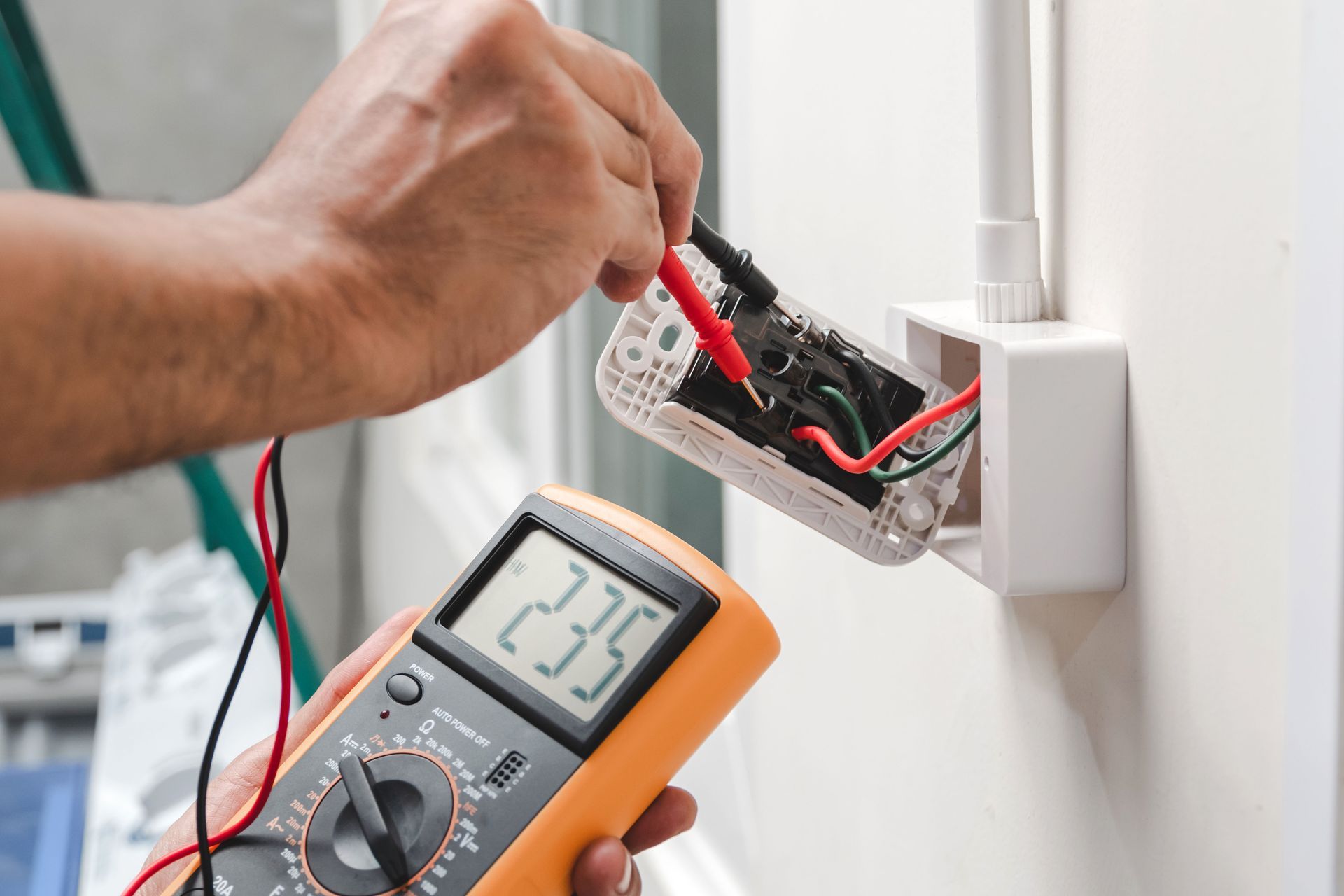
An energy audit is a detailed, systematic evaluation of energy consumption within a commercial facility, aimed at identifying exact areas where electrical usage can be optimized. The process begins with an initial baseline assessment, which includes analyzing historical utility bills, peak demand charges, and daily operational usage patterns. Trained technicians inspect existing distribution systems, evaluate mechanical equipment efficiency, and benchmark current power draw against modern industry standards. According to Fortis, commercial electricians are trained to work according to codes and requirements that are specific to commercial spaces, including systems between 240 and 480 volts. Their expert recommendations often involve both small-scale circuit optimizations and large-scale infrastructure interventions. Evaluating facilities systematically extends beyond visual inspections to encompass detailed data collection using advanced thermal and digital tools, ensuring that recommendations deliver tangible reductions in monthly operational expenses.
Identifying hidden electrical inefficiencies requires astute observational skills paired with diagnostic technology. Commercial electricians examine various facility components, such as overloaded sub-panels, unbalanced phase loads, aging motor controls, and deteriorating line insulation, which quietly contribute to continuous energy waste. In massive industrial plants, energy inefficiencies often stem from multiple interconnected sources, requiring trade professionals to take a holistic view of the entire power distribution grid. They assess high-voltage systems for signs of harmonic distortion, grounding issues, and resistive heat losses. Each unaddressed fault leads to higher electric bills and potential safety hazards. By applying proven best practices in energy conservation, licensed contractors transform identified system faults into actionable opportunities for sustainable energy management and code compliance.
The incorporation of diagnostic technology in energy audits has revolutionized how commercial electricians evaluate large facilities. Utilizing thermal imaging cameras, technicians quickly detect abnormal heat patterns that signal loose wiring connections, overloaded breakers, or failing transformer coils. Smart meters and portable power quality analyzers provide real-time data on electrical consumption across different facility zones, highlighting hidden power spikes. Advanced software tools are then utilized to simulate load scenarios, allowing contractors to predict how specific equipment upgrades will impact overall facility efficiency. Automated Energy Management Systems leverage these digital diagnostics to monitor power distribution continuously, ensuring that high-voltage commercial systems operate at peak efficiency under varying operational loads.
Regular energy assessments are vital for maintaining and improving a commercial facility's energy performance over time. Because operational demands, equipment loads, and building technologies evolve, frequent evaluations ensure that facilities do not fall behind current energy codes or safety standards. Scheduled assessments allow commercial electricians to integrate the latest technological advancements into existing power infrastructure while establishing verifiable baselines to measure ongoing efficiency gains. This proactive approach preempts severe electrical failures before they cause costly operational downtime. Consistently reducing power consumption through scheduled maintenance protects the long-term financial health of a facility, freeing up capital resources for core business expansion while fulfilling corporate sustainability mandates.
Upgrading Lighting Systems
The transition to advanced LED lighting is one of the most straightforward yet impactful steps toward enhancing energy efficiency in large commercial facilities. Traditional industrial facilities relied heavily on metal halide, high-pressure sodium, or fluorescent fixtures, which consume massive amounts of electricity and generate substantial ambient heat. Modern industrial LED fixtures use up to 75% less energy while lasting significantly longer than legacy lighting options. Commercial electricians play a critical role in designing and executing these facility-wide retrofits, ensuring proper fixture placement, optimal lumen output, and balanced circuit distribution. Replacing obsolete ballasts, upgrading legacy wiring, and installing dedicated lighting circuits maximizes energy savings while dramatically reducing ongoing facility maintenance overhead.
Automated lighting controls represent another major technological advancement in commercial energy management. By integrating occupancy sensors, daylight harvesting controls, programmable timers, and digital dimmers, facilities ensure that high-bay lights operate only when spaces are actively occupied. Commercial electricians configure these sophisticated control networks to interface seamlessly with centralized building management software. This allows facility managers to adjust illumination levels based on shift schedules, natural daylight availability, or peak demand billing windows. Furthermore, daylight harvesting systems utilize optical sensors to dim artificial lights automatically when ambient sunlight enters through skylights or perimeter windows, creating a comfortable work environment while significantly curbing unnecessary electrical consumption.
When seeking enhanced lighting efficiency, facility managers must weigh the operational benefits of retrofitting existing fixtures versus installing entirely new architectural lighting systems. Retrofitting involves upgrading internal sockets, drivers, and ballasts within existing fixture housings, offering a cost-effective, low-disruption path to energy reduction. Conversely, complete system replacement allows electricians to re-engineer circuit layouts, optimize panel loads, and introduce advanced networked lighting controls. Commercial electricians evaluate facility budgets, ceiling heights, and long-term operational goals to recommend the ideal strategy. Whether executing a phased LED retrofit or a complete system overhaul, experienced trade contractors ensure that all installations comply with commercial electrical codes while maximizing utility rebate eligibility.
Optimizing HVAC Systems
Heating, ventilation, and air conditioning systems represent a massive portion of a commercial facility's total energy consumption, making their electrical optimization a top priority. Commercial electricians conduct comprehensive HVAC electrical audits by analyzing control wiring, compressor motor starters, variable frequency drives, and automated damper actuators. Detailed evaluations involve testing motor winding resistance, checking voltage balance across three-phase equipment, and inspecting automated thermostat circuits. Electricians use this diagnostic data to rectify electrical imbalances, install energy-efficient motor drives, and calibrate digital control systems. Ensuring that heavy mechanical equipment draws power efficiently prevents premature motor failure, stabilizes line voltage, and drastically reduces seasonal energy peaks.
With the advent of smart thermostats, automated building controls, and artificial intelligence platforms, managing commercial HVAC systems has become highly efficient. Smart control systems adapt to facility occupancy patterns, weather forecasts, and real-time indoor air quality metrics to minimize cooling and heating waste. Commercial electricians are vital in installing and integrating these advanced control modules within complex mechanical systems. They wire communication buses, establish secure power supplies, and configure digital control interfaces to ensure reliable operation. Connecting mechanical equipment to intelligent energy management software enables automated load shedding during peak utility pricing periods, allowing large facilities to reduce power expenses without compromising indoor environmental comfort.
Commercial electricians are indispensable partners in the ongoing effort to transform large facilities into sustainable, highly energy-efficient operational hubs. Through detailed energy audits, LED lighting retrofits, advanced HVAC control integrations, and renewable energy installations, these trade experts systematically eliminate power waste across complex high-voltage environments. Modernizing electrical infrastructure not only yields immediate utility bill savings but also protects vital capital equipment and ensures compliance with evolving environmental regulations. Facility managers seeking to lower operating costs, improve power quality, and achieve ambitious corporate sustainability targets must rely on experienced electrical contractors. To optimize your facility's power distribution and implement cutting-edge energy-saving solutions, contact Heglar Creek Electric today to schedule a comprehensive commercial electrical evaluation.